
Charm pricing: why 99k sells and when to use round prices
Charm pricing explained: why 99k beats round numbers, when the 9 makes a brand look always on sale, and four questions to set each price.

Picture an evening in early November. A fashion founder in Vietnam is editing the price list for the year-end sale. The column reads: 99,000đ, 199,000đ, 299,000đ, 549,000đ, 1,299,000đ. (Vietnamese shops usually shorten these to 99k, 199k and so on, where k means thousand dong.) Nobody remembers why every line ends in a 9. The shop has priced this way since day one, and so have the shops around it.
Why is charm pricing so common in Vietnam, and should every product use it? Our view at 126Insights: a 99k price does not make a product cheaper, it makes the product look discounted. For items sold on promotion, that is exactly what you want. For a brand that wants customers to pay more, every 199k tag reminds them that this is a cheap brand. Choose each price according to the job that product does, and don't let the 9 become a habit across the whole list.
Why charm pricing works: 99k and 199k vs round numbers
The first reason is how the eye reads a price. Shoppers read left to right and anchor on the first digit, often called the left-digit effect. It has academic backing: Thomas and Morwitz studied it in “Penny Wise and Pound Foolish”, published in the Journal of Consumer Research in 2005. According to CafeBiz, 199,000đ looks clearly cheaper than 200,000đ even though the gap is only 1,000đ. Zing writes that a shopper's brain registers 99,000đ and 100,000đ as two “very different” levels: one is under a hundred, the other is a hundred.
The second reason is the feeling of getting a discount. Also per CafeBiz, odd prices suggest “a markdown”: seeing 399k, buyers easily assume it was cut from 400k. According to Gia đình Online, shoppers tend to believe that 199k or 299k is a carefully calculated price, close to cost.
The Wikipedia entry on psychological pricing offers a hypothesis for this second effect, called the “image effect”: prices ending in 99 are tied to promotions in the buyer's mind. Put the two reasons together and the 9 does two jobs at once: it pulls the first digit down, and it sticks an “on sale” label on the product. The same entry notes that psychological pricing theory is still disputed, so don't treat it as a law. For a wider look at how buyer behavior shapes strategy, our post on marketing lessons from psychology (in Vietnamese) is a good place to start.
The 9 pays off most when it changes the first digit
A community post on Brands Vietnam (a Vietnamese marketing site) argues that 199k can attract more buyers than both 200k and 198k. But the same post says this is “not always right” and names one case where the effect fails: when the price gap is small and the item is expensive.
A simple test follows. Dropping from 200k to 199k costs you 1,000đ and turns “two hundred” into “one hundred something.” Dropping from 1,500,000đ to 1,499,000đ also costs 1,000đ, but on an item above a million dong, customers deliberate and read closely, and that gap is nearly invisible. Same 9, but one is worth the money and the other mostly leaves you with a sale label.
What about 198k versus 199k? Once the first digit is 1, the only difference is the ending. Our reading: if 199k beats 198k, the edge probably comes from the promotional image of the 9, because no one sees either item as cheaper. And that promotional image has a price.
Round vs odd prices: when the 9 becomes a permanent sale sign
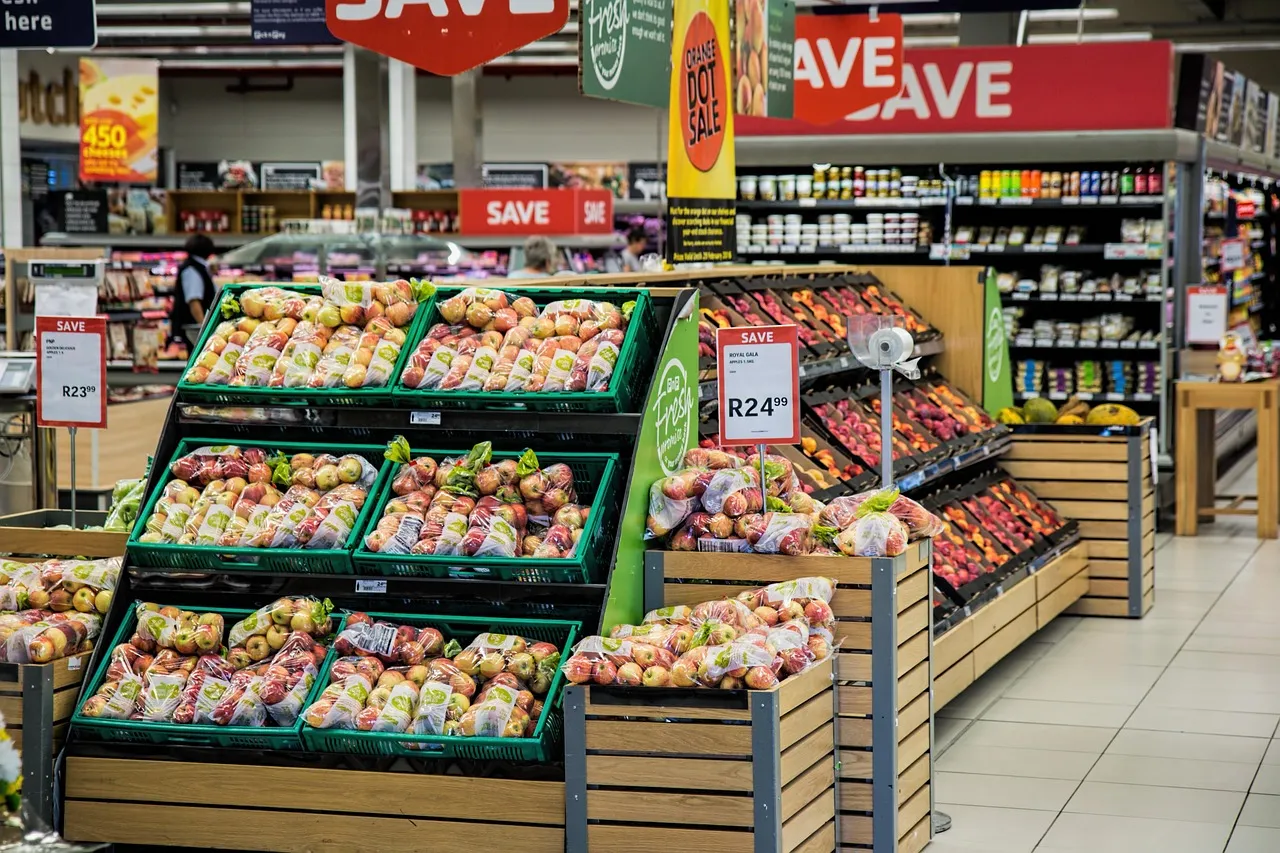
Walk past a shop with a “clearance” banner hanging from January to December and you stop believing it is clearing anything. The 9 works the same way. If it signals a promotion, a brand that lists everything at 199k all year has no signal left when a real discount arrives on 11.11 (the Singles' Day sale, big in Vietnam) or Tết (Lunar New Year).
The second cost is harder to see, and it shows up when a customer considers trading up. Thế giới Tiếp thị writes that shoppers used to spending on items priced 29k to 99k tend to hesitate when they meet a high-quality, expensive product. Apply that to a product line: if both the basic and premium versions end in 9, the whole line speaks in one voice, “discounted goods,” and shoppers have no reason to believe the pricier version is worth more. The premium version then looks like the basic one with a markup.
Suppose a bag brand sells a canvas bag at 199k and a leather one at 549k. Keeping 199k on the canvas bag makes sense: it is the item that draws customers in, buyers are price-sensitive, and 199k does change the first digit compared with 200k. The leather bag is different. Changing 549k to 550k adds only 1,000đ, but the price list starts to speak in two voices: one item to try, one item to keep for years. The gap between those voices is the reason to upgrade.
Why luxury goods tend to avoid the 9
According to the Brands Vietnam post cited above, Starbucks uses .95 endings instead of .99 to position itself higher, since .99 is already tied to cheap pricing. Zing gives an example from the far end of the market: a designer handbag priced at $10,000, not $9,999. CafeBiz observes that odd prices suit mass-market goods, where buyers are price-sensitive, while premium segments often use round prices to show confidence; it names Rolex, Chanel and Louis Vuitton as brands that rarely use a 9.
Vietnamese has a saying, “tiền nào của nấy,” roughly “you get what you pay for.” A round price says it on the brand's behalf: I don't need to shave off every thousand dong to convince you. For a brand that has built itself on a promise of quality, such as Phê La (a Vietnamese tea chain built around Da Lat oolong), analyzed in our post on Phê La's brand strategy (in Vietnamese), the price list is one more place to keep that promise.
Still, round prices are no universal rule for premium goods. According to a summary on Psychology Today from 2014, research by Wadhwa and Zhang found that when customers buy on feeling, products with round prices are rated higher, and when they decide rationally, odd prices are rated higher. The same number reads differently depending on how the customer is buying. The question worth asking is what the number on the tag says about the product, and whether it matches what you want customers to believe.
Set 199k prices around basket thresholds, not just single items
On e-commerce platforms, shoppers rarely look at items one by one. They look at the basket. Kênh 14 gives a few illustrations: free shipping on orders of 299,000đ, 50,000đ off orders of 499,000đ, and a shopper with 220k in the cart adding a 95k item to reach 300k. Exact thresholds change by platform and by campaign, but the logic is the same: customers will add an item to hit the line.
So ask whether your two best sellers together clear the threshold. Say the free-shipping line is 299k. A 159k T-shirt plus 149k shorts comes to 308k: over the line, and the customer doesn't have to hunt for a filler item. If the shirt is priced at 129k, the total drops to 278k and the customer has to keep browsing, maybe on another shop's page.
Combo pricing does the same job. Zing gives a sock example: 35,000đ a pair, or 99,000đ for three pairs. That is only 6,000đ cheaper but gets customers to buy more. Here the 9 sits where it belongs: on the item that draws customers in, at a level that changes the first digit. For running campaigns around these thresholds during sale season, our post on 11.11 double-date sales for Vietnamese brands (in Vietnamese) covers it separately.
Do you still make money after the discount?
The 9 costs 1,000đ. A flat-price campaign costs far more. Say a shirt has a unit cost of 120k and sells for 200k, leaving 80k profit per piece. Put it in a 149k flat-price event and profit falls to 29k. To keep total profit the same, you need to sell nearly 2.8 times as many shirts. The division takes ten seconds, and it is worth doing before you switch the sale on.
For an item that draws customers in, the math can still be worth it if shoppers add other products or come back later. For an item that carries your margin, every markdown cuts into the part that feeds the whole brand.
Four questions before you type a 9 into the price list
- Does this product draw customers in or protect margin? Traffic drivers suit odd prices. Margin carriers deserve a look at round prices.
- Does the price change the first digit? If not, the 9 mostly just attaches a sale label.
- Are you blocking customers from trading up? The basic and premium versions in one line should be priced differently.
- Does it fit the free-shipping threshold? Add your two best sellers and see whether they clear it.
Tonight, open your price list and write one word next to each product: “draw” or “keep.” Any line marked “keep” that still ends in 99 is the one to fix before Tết.