
The challenges businesses face moving from offline to online
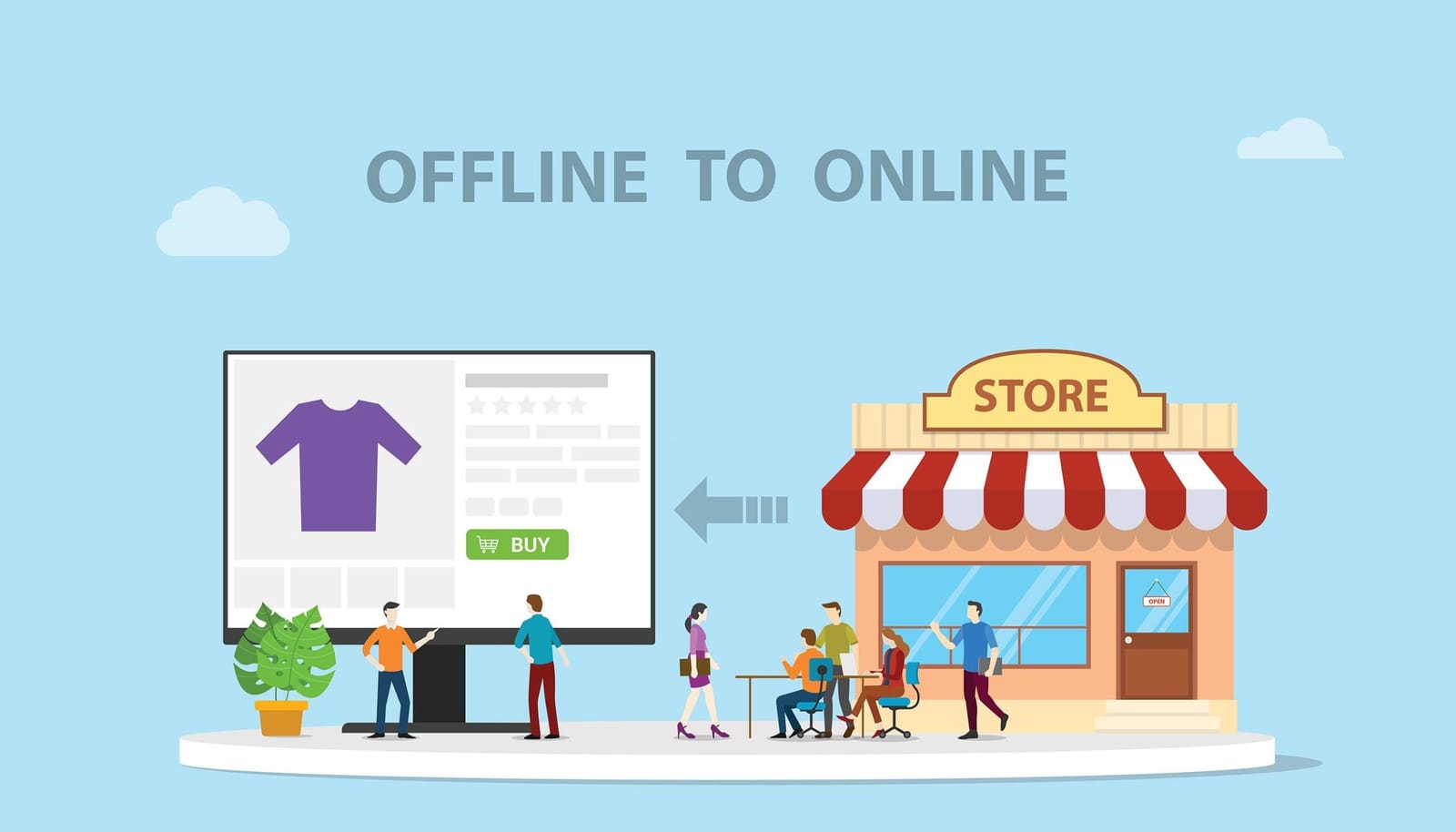
As digital technology spreads, moving from a traditional business model to online platforms is no longer optional; it has become the expected direction. Yet not every business adapts easily. From technology infrastructure and customer data management to go-to-market strategy, each step brings real challenges. So what is the biggest barrier in digital transformation, and how can a business get past it and keep growing sustainably?
1. The problem: barriers to moving from offline to online
Moving from a traditional business model to digital platforms takes more than building a website or opening an online sales channel. Businesses face a range of challenges, including:
- A lack of digital thinking: Many traditional businesses are not used to applying technology to how they operate.
- Technology infrastructure that isn't ready: Older management systems can't handle expansion or integrate online channels.
- Customer data management: Little experience in collecting and analyzing customer data to refine sales strategy.
- High investment costs: From building a website and mobile app to online marketing, the transition needs significant capital.
- Shifting customer behavior: Not every customer is ready to move from traditional shopping habits to digital platforms.
2. The solution: steps toward a successful digital transformation
To overcome these challenges, a business needs a structured digital transformation strategy with concrete measures:
a) Build digital thinking inside the business
- Leaders and staff need to change how they think about digital transformation.
- Run internal training programs to raise awareness and build technology skills.
b) Invest in technology infrastructure
- Upgrade sales, accounting and logistics systems so offline and online channels work together.
- Use e-commerce and digital payment platforms to improve the customer experience.
c) Build a customer data system
- Use CRM (customer relationship management) tools to collect and analyze customer data.
- Personalize the shopping experience with AI and big data to raise conversion rates.
d) Keep investment costs down
- Start small, for example with a Facebook fan page or a store on e-commerce marketplaces, before building your own website.
- Use digital marketing such as SEO and social media advertising to get more out of the promotion budget.
e) Change how you reach customers
- Create engaging content on online channels to increase interaction.
- Add an O2O (online to offline) model and run promotions that encourage customers to gradually move from shopping offline to shopping online.
3. The results: businesses that made the move from offline to online
Vinamilk: Streamlining the supply chain and digital sales channels
- Problem: The old distribution system of Vietnam's largest dairy company could not keep inventory in check or reach customers directly.
- Solution: Applied big data and AI to supply chain management and launched the Vinamilk app so customers could order directly.
- Result: Strong growth in online revenue, more efficient operations and a better customer experience.
The Coffee House: Using technology to personalize the customer experience
- Problem: Customers of this Vietnamese café chain were not used to ordering online, and few came back.
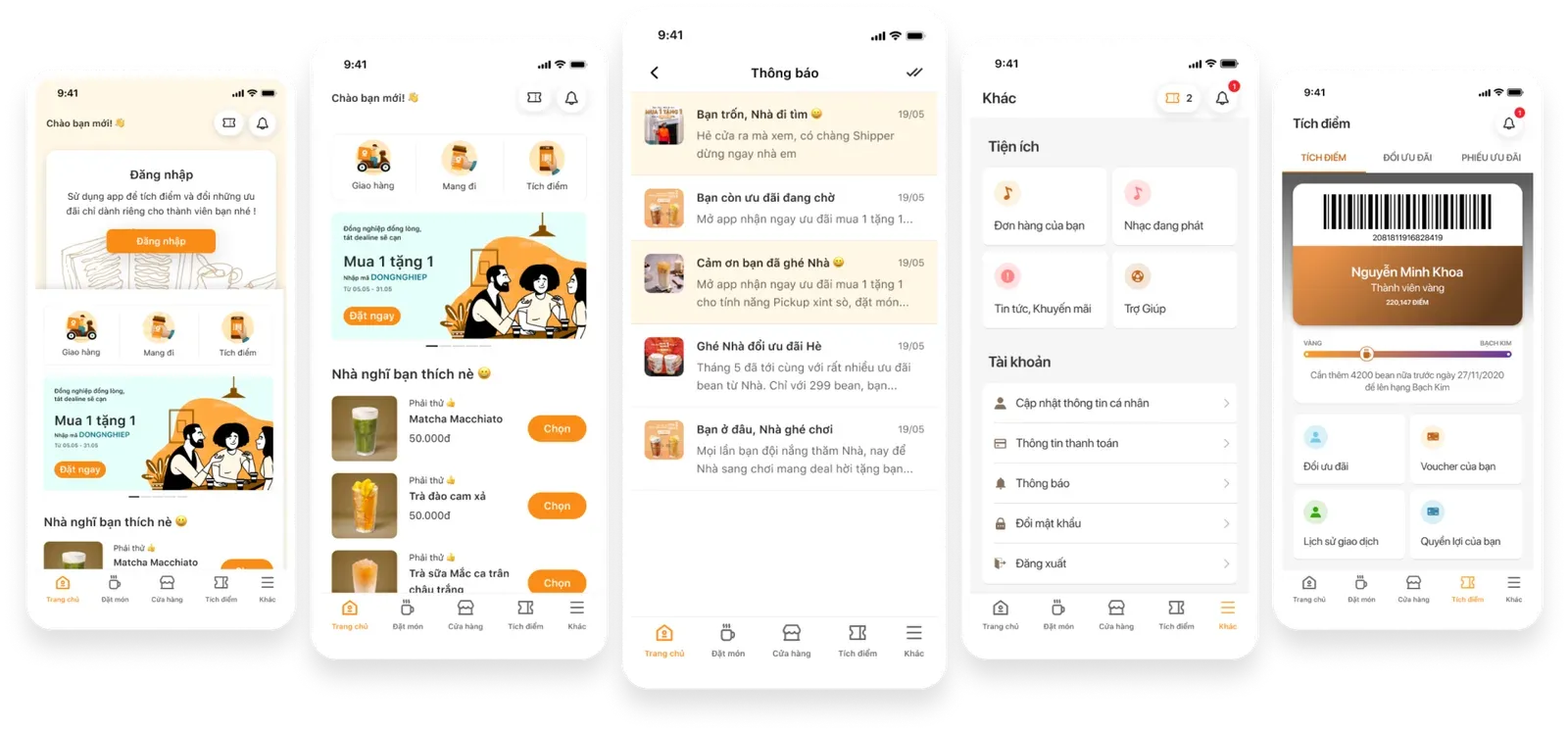
- Solution: Developed a mobile ordering app with loyalty points and used AI to analyze customer data.
- Result: More loyal customers and higher online sales, especially during the COVID-19 social distancing period.
PNJ: Digital transformation in the jewelry industry
- Problem: Customers of this Vietnamese jewelry retailer were not used to buying jewelry online, given the nature of the product.
- Solution: Built a professional e-commerce website and used AI to give personalized product advice.
- Result: Online revenue rose significantly, especially around holidays.
4. Going online is now a matter of survival
Moving from offline to online is more than a trend; it has become a matter of survival for businesses today. Facing challenges is unavoidable, but with the right strategy, sensible investment and suitable technology, a business can make the transition and expand its market effectively.
Are you ready for digital transformation? Start today so you aren't left behind in the digital age!