
Online pet shop business: private label and in-house creators
An online pet shop business in Vietnam can win with a narrow private label and in-house creators, as Shopee order values rise.
In the first half of 2026, the average pet product order on Shopee, the largest e-commerce marketplace in Vietnam, was worth about VND 102,000. A year earlier it was about VND 61,000. Over the same period, units sold fell 24%, according to an analysis by Pety cited by VnBusiness. Owners are buying fewer items and spending more on each order.
If you are planning an online pet shop business in Vietnam for the 12.12 sale (the 12 December shopping day) and Tết (Lunar New Year), that detail deserves a closer read than any wholesale price list. Our view at 126Insights: this year's opening comes from doing two things at once. First, own a private label in a narrow niche, such as wet food (pâté) or treats for cats. Second, run a creator channel the shop owns. On Shopee, revenue is rising because each order is worth more, so whoever holds owners' trust holds the margin. On TikTok, based on the data available, sales sit with small accounts.
Pet owners are paying more per order
The Pety figures are Pety's own analysis of marketplace data, published by its founder Thúy Trần, so they are not official statistics. According to Pety, pet category revenue on Shopee in the first half of 2026 grew 27% year on year, and the VND 200,000 to 500,000 price band made up 35.7% of purchases (VnBusiness).
Two other sources point the same way. In a report released in June 2026, Euromonitor projected 14% growth in retail value of cat food in Vietnam for 2026 (Euromonitor). Metric data, cited by 1thegioi, shows the pet care category across four platforms (Shopee, TikTok Shop, Lazada and Tiki, a Vietnamese marketplace) reached about VND 1,921.5 billion in Q3 2026, up 38.2%, with food leading at VND 795 billion (1thegioi).
The scope matters. Rising value with falling volume is Pety's Shopee data for the first half of the year, and Metric's Q3 figures do not compare volume. Don't treat it as a rule for the whole market. For a seller the signal is still clear: customers are willing to pay more. The question is who they pay.
Running an online pet shop business: who sells on TikTok?
Also per Pety, in a VnEconomy article, 93% of pet category sales on TikTok come from creators, micro-influencers or KOCs (key opinion consumers, ordinary buyers who review what they use) with fewer than 50,000 followers. Large KOL accounts above 100,000 followers bring in only 5%. Livestreams account for about 45% of category revenue. Seven of the ten best-selling accounts are owned directly by brands or pet shops running a D2C (direct-to-consumer) model, selling straight to buyers without a middleman (VnEconomy).
The under-50,000 group includes independent KOCs, not only shop accounts. But when seven of the top ten are run by the sellers themselves, we read it this way: pet owners trust someone who also keeps a pet and shows up every day more than a famous face paid for a single post. The fee for one video from a big KOL buys one moment of attention. The same money, spent on salaries and a routine for two or three staff who film daily, buys steady presence.

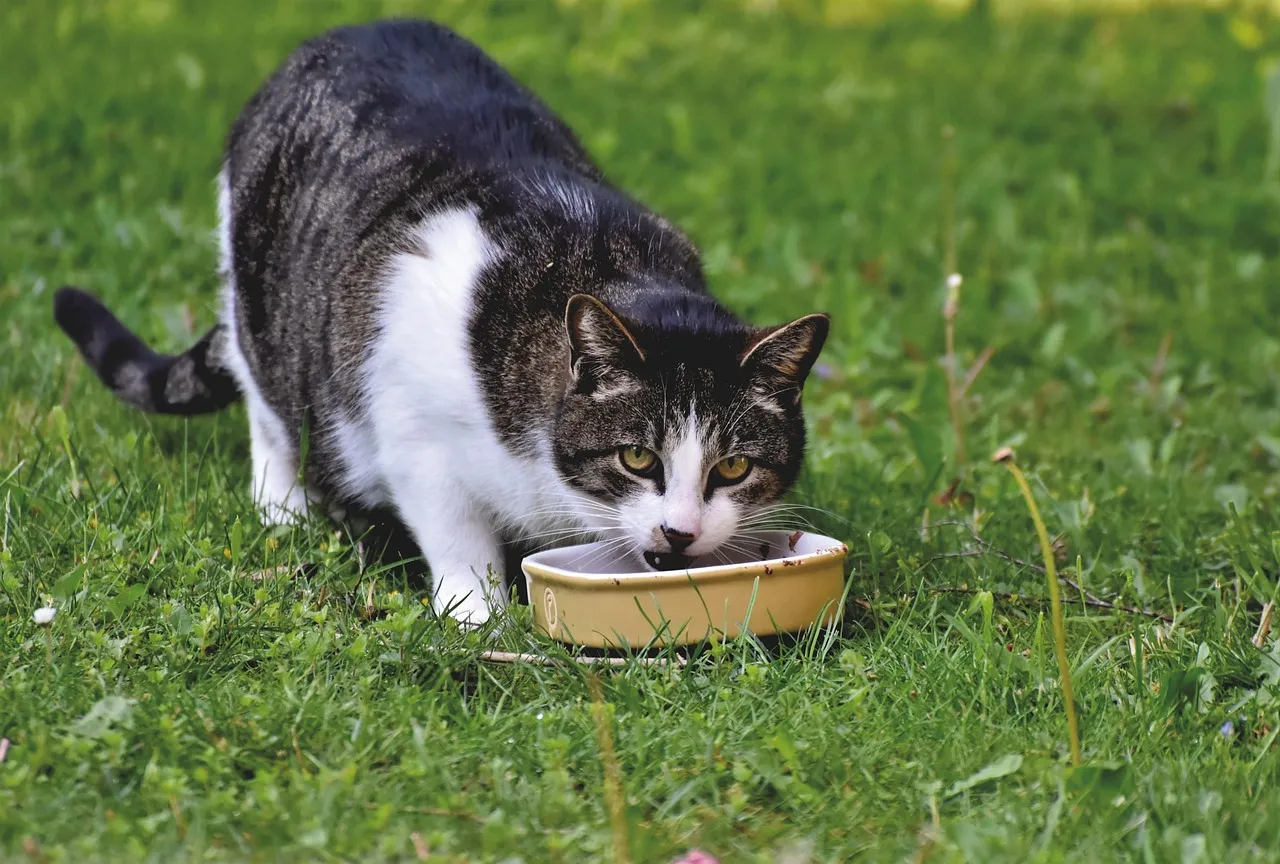
Photo by Shawn Rain on Unsplash
How a private label and in-house creators work
Step one is picking a narrow niche. Pâté or treats for cats are reasonable examples: repeat purchases, easy for customers to try, and whether a cat eats it is visible on camera. Vietnamese has a saying, "Một nghề cho chín còn hơn chín nghề", roughly "master one trade rather than dabble in nine." A shop with several hundred imported SKUs struggles to say what it is good at, while a shop with one carefully made pâté line has something to talk about every day.
Step two is ordering private label contract manufacturing. The Pet Vietnam, a company making fresh pâté for dogs and cats, is one local example. According to VnBusiness, founder Võ Hồng Đức says domestic firms struggle to compete with international brands on scale, and that their edge is understanding the tastes and traits of pets in Vietnam (VnBusiness). The Euromonitor report also has a section titled "Local Disruptors to Transform Pet Food with Premium Fresh Offerings", arguing that domestic brands can reshape the market with premium fresh products. Before printing the first box, run every check in our guide on how to name a brand without clashing with an existing one.
Step three is in-house creators. Two or three accounts, each in the name of a staff member who is a real owner with a real cat. The content is daily life: the cat's meal, yesterday's customer question, packing orders, the evening live stream. This channel sends customers to both the physical store and the marketplace storefront. On camera, showing what the cat ate and how it reacted is enough, with no extra promises.
The hard part is that you depend on people. Staff can leave, and a face can fall out of favor with the algorithm. Think of a busy phở shop: people come back for the broth, and few notice who is at the stove that day. What the shop must keep is the routine: a filming schedule, a script outline, a way of answering questions, and at least two people who can run each account.

Photo by Frederick Shaw on Unsplash
Why this model suits Vietnam
Ken Research estimated that in 2024 Vietnam had about 12.3 million dogs and cats, around 38% of them eating packaged food, with the rest mostly eating home-cooked meals (Ken Research). This is an estimate from a commercial research firm, but it suggests many owners have yet to switch to packaged food. First-time switchers need someone to explain, and a video of a real cat at mealtime is easier to understand than the ingredient list on the bag.
The people paying are also closely attached to their animals. A 2026 survey by TGM Research in major cities, reported by VnBusiness, found that 79% of people aged 18 to 65 keep pets, 55% keep two or more, and 45% treat pets as family members. For someone who sees the cat as family, the question "does the seller feed this to their own cat?" carries weight. An account run by a staff member with a real cat can answer it every day, in the store and on the marketplace.
When not to launch a private label yet
The two largest manufacturers already hold more than half of the cat food market (Euromonitor). Companies such as Mars Petcare, Nestlé Purina, Royal Canin and Hill's have advantages in scale, research and distribution (VnBusiness). A small shop releasing a generic bag of kibble is walking onto their turf. A narrow niche is where a small shop has a voice.
A private label only works when quality is consistent. Customers pay more because they trust the next batch will match the last, the same point we made about Xanh SM, a Vietnamese electric ride-hailing brand, where what customers pay for is consistency. One batch of pâté with an off taste is enough to lose a repeat buyer. The same goes for paperwork: ask the relevant authority and your contract manufacturer about labeling and product registration requirements before ordering the first batch.
Another risk sits in the channel. Creator accounts live on someone else's platform, and our post on not building a funnel on rented land covers that in depth. If the product or paperwork isn't ready, build the channel first, sell what you already stock, and add the private label later.
A 90-day test, starting with 12.12
From mid-November to Tết there are 12.12 and the Tết gifting season, enough time for one test cycle:
- Week one: open an account in the name of a staff member who owns a cat, film daily, and sell your current stock for 12.12 and Tết gifts.
- In parallel: pick one test product, order a small contract-manufactured batch, and finish the paperwork before it reaches the shelf.
- Once the first batch is on sale: record each buyer and check whether they come back within 30 days.
- Write down the repeat-purchase rate you would accept before you look at the numbers. If you fall short, fix the product before you scale.
One question to ask yourself before you start: if your best video-maker quit tomorrow, would the account still post a video the next day? If yes, you are building a channel. If not, you have hired one more KOL and just pay the salary monthly.