
Digital Transformation Isn’t Just About Technology—Content Matters Too!

Why digital transformation fails isn’t just due to poor tech—it’s often because of mismatched content!
1\. Digital Transformation Is More Than Just Adopting Technology
When businesses think of digital transformation, they often focus on cutting-edge tech like AI, Big Data, IoT, or advanced management software. But that’s only half the story. No matter how powerful the technology, it’s merely a tool—content is what truly determines success.
In reality, many digital transformation efforts fail not because of weak technology, but because the content they deliver doesn’t align with customer needs and expectations. Technology streamlines operations, but content is what differentiates and engages customers.
2\. Why Content Decides the Success (or Failure) of Digital Transformation
2.1. Content Connects Businesses with Customers in the Digital Space
Every online interaction between a brand and its audience relies on content:
- A website’s appeal depends on visuals, copy, and how information is presented.
- Chatbots can automate responses, but if the content is irrelevant, users will leave.
- Email campaigns may have perfect timing, but without compelling content, they’ll go unopened.

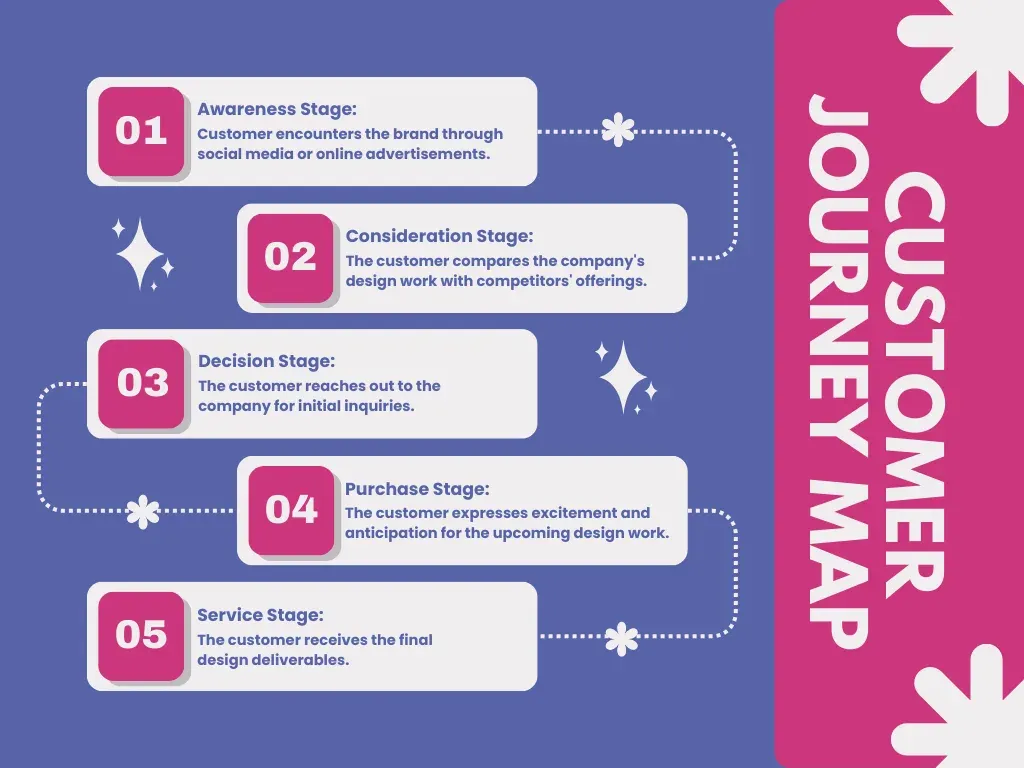
2.2. Content Guides the Customer Journey
Today’s customer journey is complex—consumers research via Google, read social media reviews, and watch YouTube videos before making decisions. Tailored content at each stage naturally steers them toward conversion:
- Awareness Stage: Blogs, social posts, and infographics help customers identify their needs.
- Consideration Stage: Product demos, case studies, and webinars aid evaluation.
- Decision Stage: Persuasive landing pages and personalized emails drive action.
2.3. Personalized Customer Experiences Through Digital Content
Technology collects customer data, but without a smart content strategy, that data is useless. Effective personalization includes:
- Behavior-based emails (e.g., recommendations from past purchases).
- Dynamic product suggestions (e.g., “You might also like…”).
- Targeted resources (e.g., whitepapers for specific buyer personas).
3\. How Businesses Can Optimize Content for Digital Transformation
3.1. Map Content to the Customer Journey
Each stage demands a different content approach:
- Awareness: Educate with helpful, non-promotional content.
- Decision: Persuade with testimonials, limited-time offers, or interactive tools.
3.2. Leverage AI and data analytics
AI and data analytics help businesses better understand customer behavior and preferences. From there, they can create personalized content that is relevant to each audience group. For example, AI can help analyze data to recommend content that is relevant to each customer based on their previous purchase history and interactions.
3.3. Build a sustainable content strategy
Content needs to be built consistently and sustainably across multiple platforms. Businesses need a clear content strategy, from planning, production, to distribution and measurement of effectiveness. This helps ensure that content is always aligned with business goals and customer needs.

4\. Conclusion
Digital transformation isn’t just about adopting tech—it requires investing in content that resonates with customers. Content bridges the gap between technology and human connection, driving personalized experiences and conversions.
To succeed, businesses must develop a holistic content strategy, from customer research to creation, distribution, and performance analysis. Only when content is optimized can digital transformation deliver real, lasting value.
Ready to transform? Explore solutions at 126Verse.