
Every Half pricing strategy: own one cost link before you promise
Every Half cut coffee prices while other Vietnamese F&B brands raised theirs. The pricing strategy lesson for founders: own one cost link first, then promise.

In July 2025, while many F&B brands in Vietnam were raising prices, Every Half did the opposite. According to VietnamBiz, the specialty coffee chain cut prices of its machine-brewed coffee drinks by 8 to 10% while the price of green coffee beans was rising. A year later, on 16 July 2026, CEO Phú Võ (Võ Duy Phú) told CafeBiz that F&B prices usually rise over time, while Every Half has “adjusted prices down 3 times because our scale is better.” He said this one day after the company announced an $8 million Series A.
Any founder drafting a pricing strategy for 2027 should read that sentence closely. Every Half turned its price level into a brand message, and when its CEO explained why the cuts were possible, he pointed to scale. Small brands are tempted to copy the slogan “premium but affordable.” 126Insights thinks the thing worth copying is the order of work: own one cost link first, promise on price second.
How fast has Every Half grown?
In August 2024, Every Half had 8 stores in Ho Chi Minh City, according to VPCA. At the same time, according to The Investor, it received an undisclosed seed round led by Openspace Ventures with DSG Consumer Partners taking part. By May 2025 the chain had 14 stores and raised another $3 million in a pre-Series A from the same two investors (Verdict Foodservice). In December 2025 it opened its first store in Hanoi (VietnamBiz, CafeBiz). By July 2026, per TheLeader, it had more than 30 stores across Ho Chi Minh City, Hanoi, Da Nang and Hoi An, over twice the 14 of a year earlier.
On 15 July 2026, Every Half announced its $8 million Series A, funded entirely by Openspace and DSG (Znews). It is the third time the two funds have put money into the company. Revenue and profit have not been disclosed, so existing investors writing another check is one of the few signals outsiders can see.
“Affordable Specialty Coffee”: when the price is the message
Also per VietnamBiz, Phú Võ says Every Half follows a single value: “Affordable Specialty Coffee.” VietnamFinance reports an average price of about $2.5 per item, against about $4.5 at some international chains such as Starbucks in Vietnam. The same article says the company does not grow mainly through promotions or discounts.
The clever part is how it talks about the cuts. According to Kinh tế Đồ uống, the company says the savings are “returned to both ends of the value chain: coffee growers and coffee drinkers.” A sale has an end date. A cut to the list price, with an explanation of why it is possible, is a long-term promise, and it tells customers where the brand stands. By the CEO's account, Every Half has done that three times.
But affordable compared with whom? When the first Hanoi store opened in December 2025, CafeBiz listed prices of 55,000 to 95,000 dong and noted they were “a bit higher” than the usual level of Hanoi cafes. The opening also came with a 10% discount and a free pack of coffee, a familiar grand-opening promotion. “Affordable” holds up next to an international chain. Next to the neighborhood cafe in Hanoi, it may not. A brand that wants to take this route should pick its point of comparison before writing the slogan.

Photo by Croissant on Unsplash
Which cost link does Every Half's price promise rest on?
Every Half is often mentioned together with its farming story. According to VietnamBiz, it works with climate-resilient varieties such as Starmaya and Marsellesa in Dien Bien, Liberica in Pleiku and Dak Lak, and Fine Robusta. In 2025 its Fine Robusta won a Gold award at the Global Coffee Awards in Houston (TheLeader). It is a good story, but Every Half's own page says it owns no farms. According to that page, its Robusta comes mainly from the Vietnam Coffee Cooperative (HTX, a farmer-owned cooperative) in the Central Highlands, with more than 200 farmers and more than 600 hectares. In Dien Bien it works with the Duy Minh cooperative in Muong Ang, which has 3 households. The area Every Half supports directly was about 8 hectares in 2025, with a long-term target of 50 hectares, per VIR.
Farming is also the slowest link. COO Trần Lê Minh Trúc told Vietcetera that new varieties take 5 to 6 years to produce a harvest, and that Every Half commits to supporting seedlings and buying the entire output. When the CEO explained the three price cuts, the reason he gave was scale.
So which link is closer to their hands? On 126Insights' reading of the sources above, there are two: direct purchasing relationships with cooperatives backed by a buy-all commitment, and a network big enough to spread the cost of each bean purchase over more cups. The Series A money goes into this area. According to Tuổi Trẻ News, the new capital is for the supply side (processing, fermentation, roasting capacity) alongside the demand side (more stores, e-commerce, supermarkets, exports of packaged goods).
Vietnamese has a saying: “Có bột mới gột nên hồ,” roughly “you need flour before you can make paste.” The price promise is the paste. The purchasing contracts and the scale are the flour. The farming story has its own job: it helps Every Half sell roasted beans and packaged coffee, and since 2025 it has been on Amazon and exporting to Singapore, Thailand and Taiwan (VietnamFinance). No public data shows that the farms themselves pull down the price of a cup.

Photo by Yanapi Senaud on Unsplash
What can a small brand copy from Every Half's pricing strategy?
The slogan “premium but affordable” takes five minutes to copy. The order of work behind it takes years. Suppose a cafe has two stores, outsources roasting, buys beans through a distributor, and then cuts prices the way Every Half did. The cut comes straight out of margin, because no link in the chain absorbs it.
If you are setting prices for 2027, you can work in this order:
- List the biggest cost lines on one product and mark which ones you control and which depend on someone else.
- Pick the line closest to you and own it first: roasting, brewing, packaging, or a yearly ingredient purchase contract. Farming is the farthest and slowest line.
- Promise on price only once that line has produced a measurable saving, then tell customers where the saving goes.
- Fix one comparison point for the word “affordable,” as Every Half chose international chains.
On the same logic, 126Insights has written about how Phê La made Da Lat oolong its brand promise, a promise tied to a raw material (in Vietnamese), and about the big cup at Hồng Trà Ngô Gia, a bubble tea chain, that anyone can copy (in Vietnamese). The deeper a promise sits in the cost structure, the harder it is for rivals to copy.
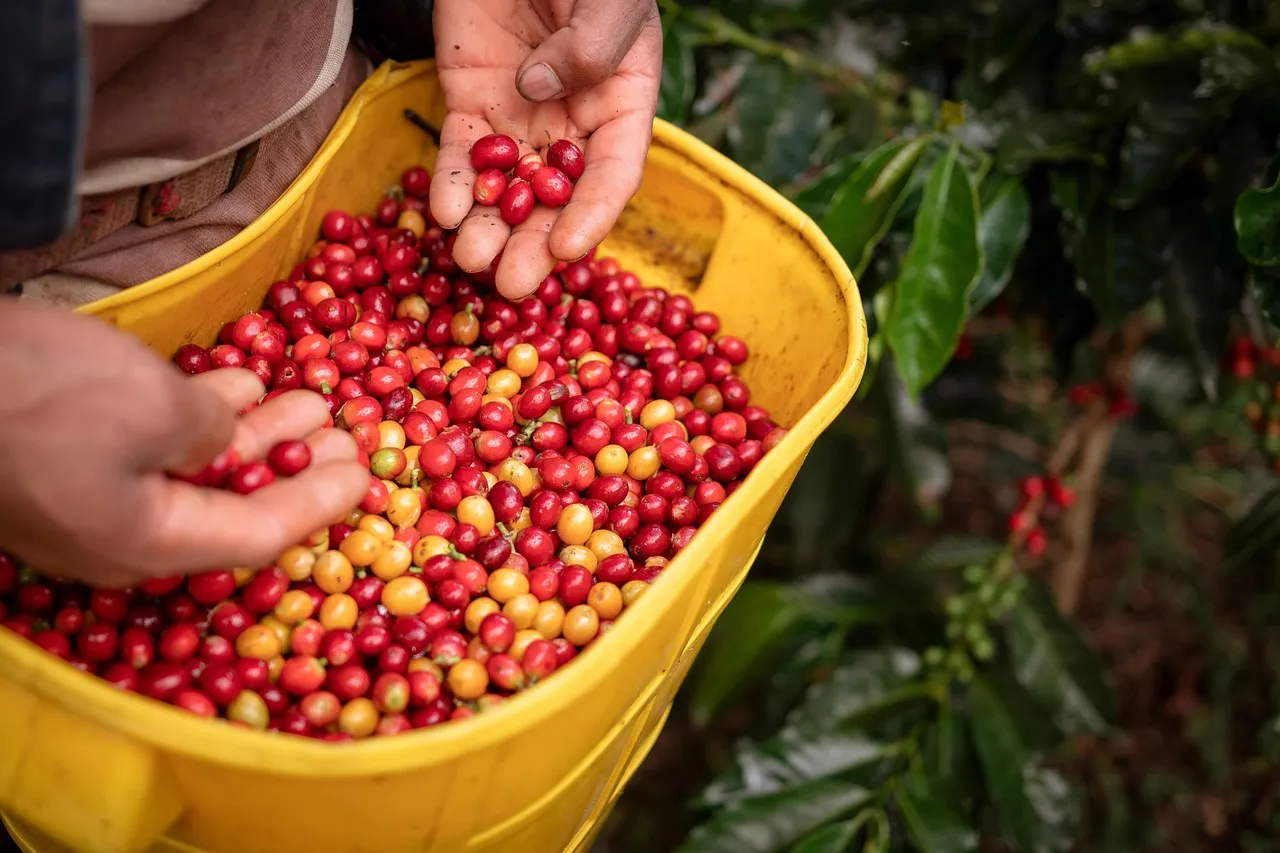
Photo by HunterProducciones on Pixabay
Risks of the “premium but affordable” position
The first risk is letting the story get bigger than the numbers. The area Every Half supports directly is only about 8 hectares, while most of its Robusta comes from one cooperative of more than 600 hectares. For a small brand, the lesson is to describe your sourcing at its true proportions. The same goes for the label “largest”: VietnamFinance calls Every Half the largest specialty coffee chain in Vietnam, while Phú Võ told VIR: “Our ambition isn't to build the largest coffee chain.” 126Insights thinks the CEO picked the right line: a price promise is easier to keep when the brand does not also carry a title.
The second risk: no public data shows the model is profitable. Revenue and profit have not been published; the company only says 2026 revenue is expected to grow almost threefold (VietnamFinance). The three price cuts came alongside $11 million in announced funding across the pre-Series A and the Series A, and more than 20 new stores in about a year.
So the question for a founder sitting in front of a 2027 price list is this: without a fund behind you, do you have the margin to cut prices three times? If you cannot answer yet, leave prices alone next year and spend that year owning one cost link first.