
Vietnam's 20/10 ad: laugh at the gift buyer, not at femininity
HAPAS's 2026 Women's Day ad shows where self-deprecating humor ends and mockery begins, plus five questions to test any gender-based comedy script.
A young woman notices a man in women's clothes trying on a handbag. Then a second man, then a third. That is the opening of the TVC (TV commercial) HAPAS made for 20/10 in 2026, as described by Campaign Brief Asia. HAPAS is a Vietnamese handbag brand. 20/10 is Vietnamese Women's Day, a major gift-giving date on which men buy presents for mothers, partners and daughters.
The film is called “Special Love” (the Vietnamese subtitle means “Do anything for love”). It launched on 30/9/2026 and was made by the agency The Friday (CafeBiz). Over 1 minute 37 seconds, men dressed as their daughters, mothers or girlfriends walk into a store to pick out bags. Only at the end do viewers learn whom each man was impersonating (Brandcomms VN). According to CafeBiz, the store's security guards watch them in shock on the CCTV feed.
Our view at 126Insights: poking fun at the clueless man shopping for a gift is fair game. Laughing at the fact that he looks like a woman is a shortcut that easily leaves viewers feeling insulted. The line between the two is drawn in the edit suite, in every camera angle and every mannerism that survives the cut.
One commercial, two readings
According to CafeBiz, the film was praised as “refined” and, at the same time, criticized as “disrespecting both genders.” One viewer said they first took it for a gender-neutral fashion film, then finished it feeling it “disrespects both genders.”
The makers have been clear about their intent. Khoa Pham, Creative Director at The Friday, told Branding in Asia that men dressing as women “isn't really the point.” In his telling, the laughs come from how far these men will go for someone they love. Branding in Asia also reports that the campaign runs on film, social media and HAPAS stores nationwide.
In fairness: as of 13/10/2026, CafeBiz notes that HAPAS has released no sales or brand-health figures, so nobody can call the campaign a commercial success or failure yet. This piece does not grade the campaign. What deserves attention is the gap between what the filmmakers meant and what part of the audience saw.
Why men are in the frame
Putting men at the center was a reasoned decision. According to an analysis by BrandsVietnam, although HAPAS sells women's products, it puts a lot of effort into reaching men, because on many gift occasions the person making the purchase is a man. The brand shows up at billiards tournaments and at AoE (Age of Empires) competitions.
For that audience, self-deprecating humor is an obvious choice. Anyone who has stood in front of a wall of handbags without knowing whether their partner prefers short or long straps remembers that helpless feeling. Having a male character put on his mother's clothes to “become” her and choose the right bag exaggerates a real pain point of the customer. So far, the idea holds up.
Who the laugh lands on
The trouble starts at the moment viewers laugh. In the same scene, the laugh can come from two very different places. In the first, he is so dedicated that he wears his mother's dress to get the gift right, and people laugh at the effort. In the second, he looks “like a woman,” and people laugh at an exaggerated version of femininity. The first is self-mockery aimed at the buyer. The second makes femininity, and men who are feminine in real life, the punchline.
The dress is identical in both cases. What differs is the camera angle, the performance and the pacing. CafeBiz describes the male characters posing and trying on one bag after another; Campaign Brief Asia writes that they “pose in front of mirrors, compare styles.” Brandcomms VN analyzes how the characters' gestures and reactions steer viewers toward laughter. That piece also quotes an anonymous commenter who said viewers might accept men in dresses but object to using that image to act out an exaggerated version of women for laughs.

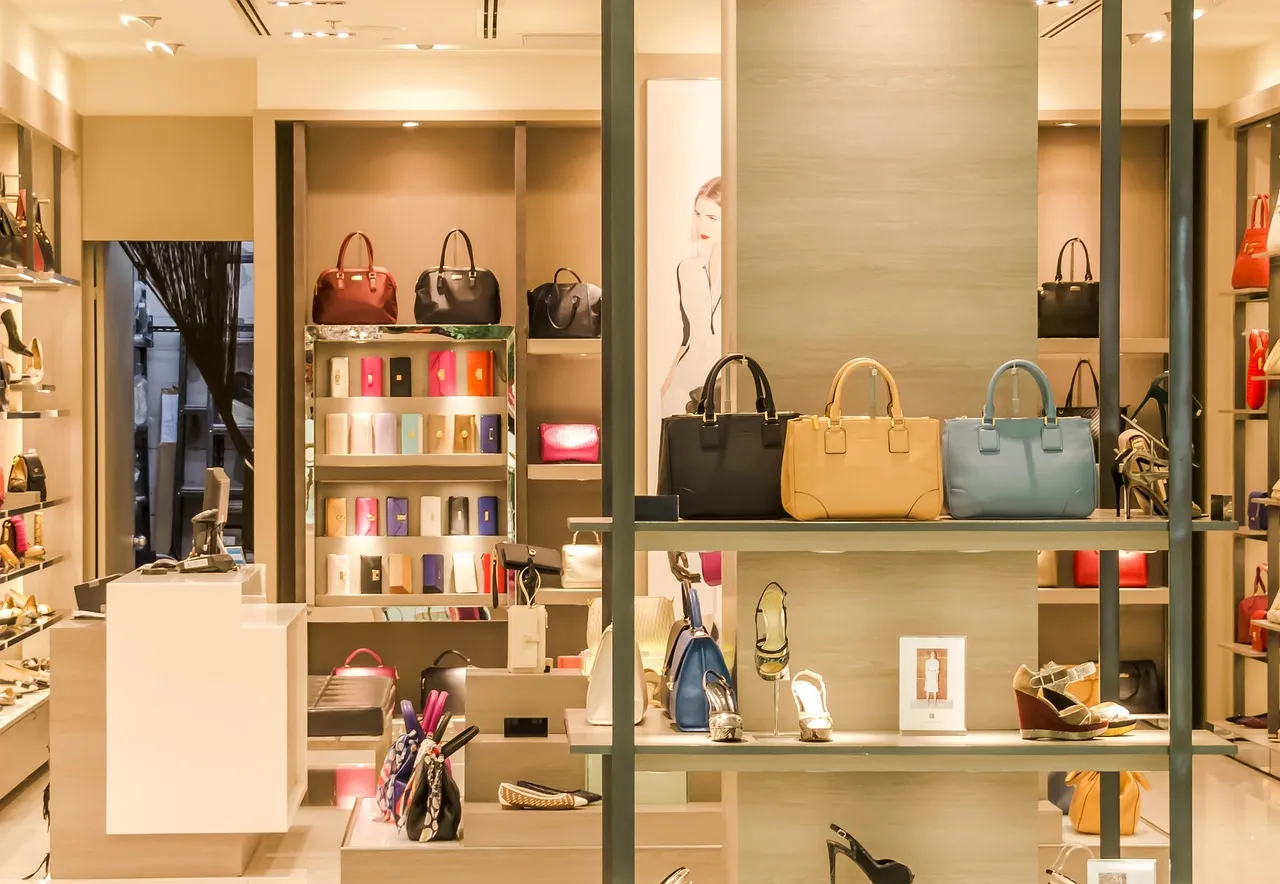
Photo: Recklessstudios on Pixabay
So the debate over whether men should wear dresses in ads misses the point. What decides the outcome is whether the lens quietly tells the audience that this is funny. A filmmaker can say “the dress isn't the point” and sincerely believe it. But the second at which the audience laughs, and what they laugh at, is set by each camera angle and each mannerism kept in the final cut.
Viewers read those signals and say so. One anonymous comment was quoted by trade media for analysis. One reaction, “disrespects both genders,” made it into a business newspaper.
It's the way you give
Vietnamese has a saying: “Của cho không bằng cách cho,” roughly “the gift matters less than how it is given.” An expensive present handed over badly can still hurt the recipient. Ads work the same way: a good message cannot rescue a poor way of telling it.

Photo: faye_yuyun on Pixabay
One observation in the CafeBiz piece is worth copying into your notebook: when you want to portray men in an endearing way but build the laughs on clumsiness and absurdity, the positive message itself turns into a stereotype.
The Friday meant well, and Khoa Pham's comments show it. Viewers only see what appears on screen. They don't read the brief, they don't sit through the pitch, and nobody stands next to them to explain, “what we meant was the effort.”
Two years of attention-grabbing, and then?
This is the second 20/10 in a row in which HAPAS has used humor to stand out. In 2025, the campaign “Yêu từ điều nhỏ nhất” (“Love from the smallest things”) combined outdoor ads with social media, including an LED screen scrolling the text “HAHAHAHAHA.” BrandsVietnam called it a deliberately “vô tri” (pointless, in the internet-slang sense) approach and headlined it “Chọn ‘nhạt’ để nổi” (“Choose ‘bland’ to stand out”). This year, HAPAS chose to swap gender roles.
During 20/10, when many brands are talking to and about women, humor is a legitimate way to be remembered. But humor for attention works like eating chili: one pepper is enough this year, next year you need two to taste anything. Each season demands a bigger jolt, and the easiest place to find a big jolt is usually the most sensitive ground.
If you sat in HAPAS's marketing room, what would you pick for 20/10 in 2027? Can humor-for-attention go the distance when this year it already drew a debate about gender stereotypes?
Five questions before you lock the script
Good intentions are not enough, so brands need a separate check for gender-based comedy beats, placed right after the rough cut and before the final review.

Photo: ulrichw on Pixabay
- Who is the butt of the joke? Rewatch the cut and mark every second where you expect the audience to laugh. Then name what causes the laugh at that second: the effort, the situation, or an exaggerated gender trait.
- Which group might feel mocked? Look beyond the on-screen character: in real life, who has exactly the trait being exaggerated?
- If you remove the gag, does the message still stand? If the message collapses with it, the whole film is leaning on one joke.
- Has anyone from that group seen it? A few test viewers before broadcast will catch what a meeting room full of similar people misses.
- If there is backlash, is the response ready? Who speaks, what they say, and within what time.
This set of questions works for 20/10, for 8/3 (International Women's Day, the other big gift date in Vietnam) and for Tet. If your team has a gender-based comedy scene waiting for sign-off, open the cut, scrub to the moment you're sure the audience will laugh hardest, and ask yourself: are people laughing because he's trying, or because he looks like someone?