
Who Am I? P3: What Inside Out teaches about emotions and identity
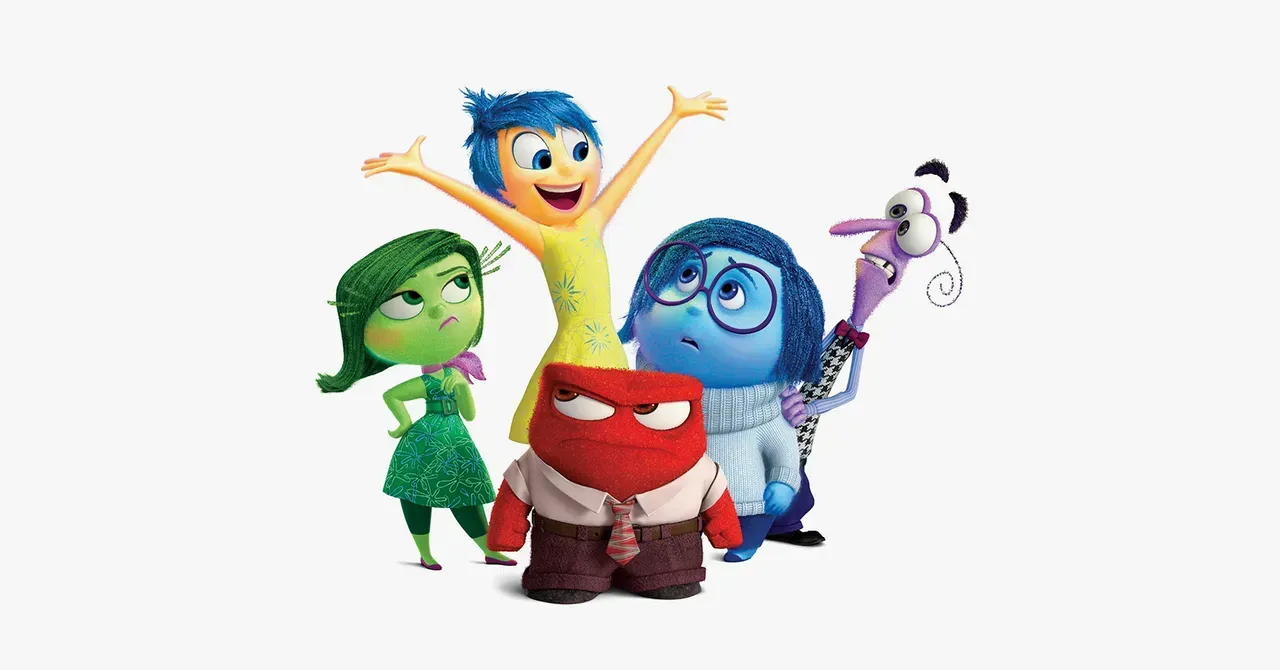
“Who am I?” It is a philosophical question, and it is also something we keep working out for our whole lives as we try to understand ourselves and shape a personal identity. Pixar's animated Inside Out, across two films (2015 and 2024), captures this process brilliantly, from childhood into adolescence.
The first film focuses on how emotions form identity. The second widens the view to inner conflict and social pressure. Below, we read Inside Out through the question “Who am I?” to better understand how we grow at each stage of life.
- * *
1. Inside Out 1: When emotions make us who we are
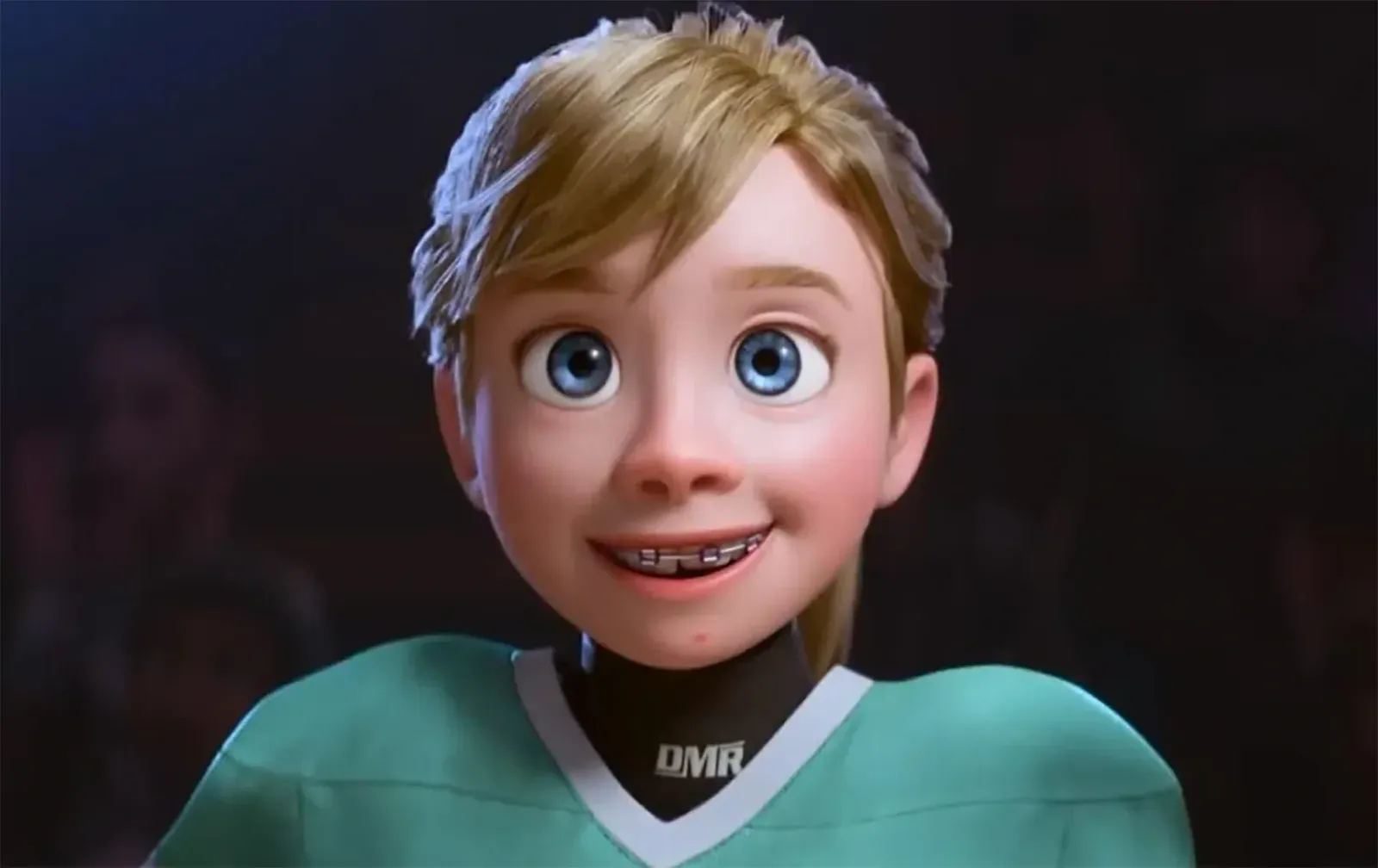
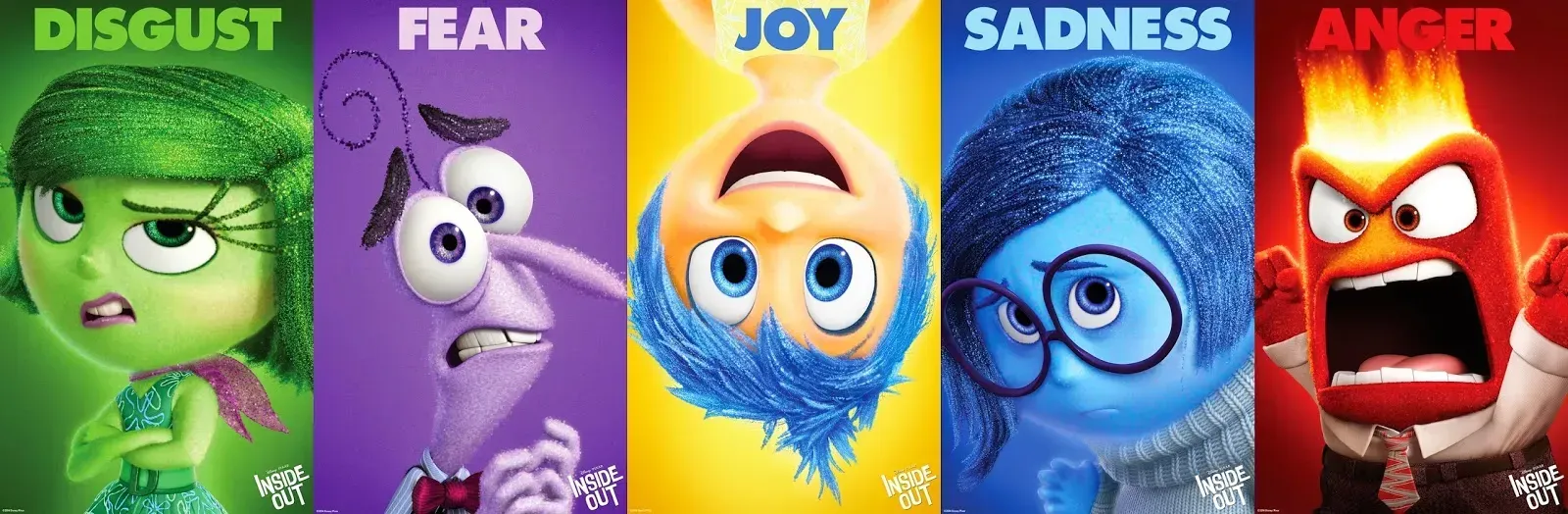
Inside Out (2015) follows Riley, an 11-year-old girl adjusting to a new life after her family moves. Inside her mind, five core emotions, Joy, Sadness, Anger, Fear and Disgust, control every thought and action. The film shows that personal identity is defined as much by negative emotions and hard experiences as by happy moments.
- Emotions are the foundation of identity
At first, Joy tries to run Riley's mind on her own, convinced that only happiness matters. But when Riley grieves leaving her hometown, she discovers that Sadness has value too: it helps her connect with other people and look for comfort. The point is simple. No emotion is meaningless, and each one helps shape who we are. - Identity isn't fixed; it keeps changing
Before everything falls apart, Riley defines herself through her “Islands of Personality”: Family, Friendship, Hockey and Goofball. When her life changes, she has to redefine herself. The lesson here: nobody stays the same version of themselves forever. We change over time, with every experience we go through. - Accepting our emotions helps us understand ourselves
Riley plans to run away because she feels lost. Only when she accepts her feelings and opens up to her parents does she find her way back to them. To answer “Who am I?”, we need to listen to our own emotions instead of avoiding them or bottling them up.
- * *
2. Inside Out 2: When identity gets more complicated
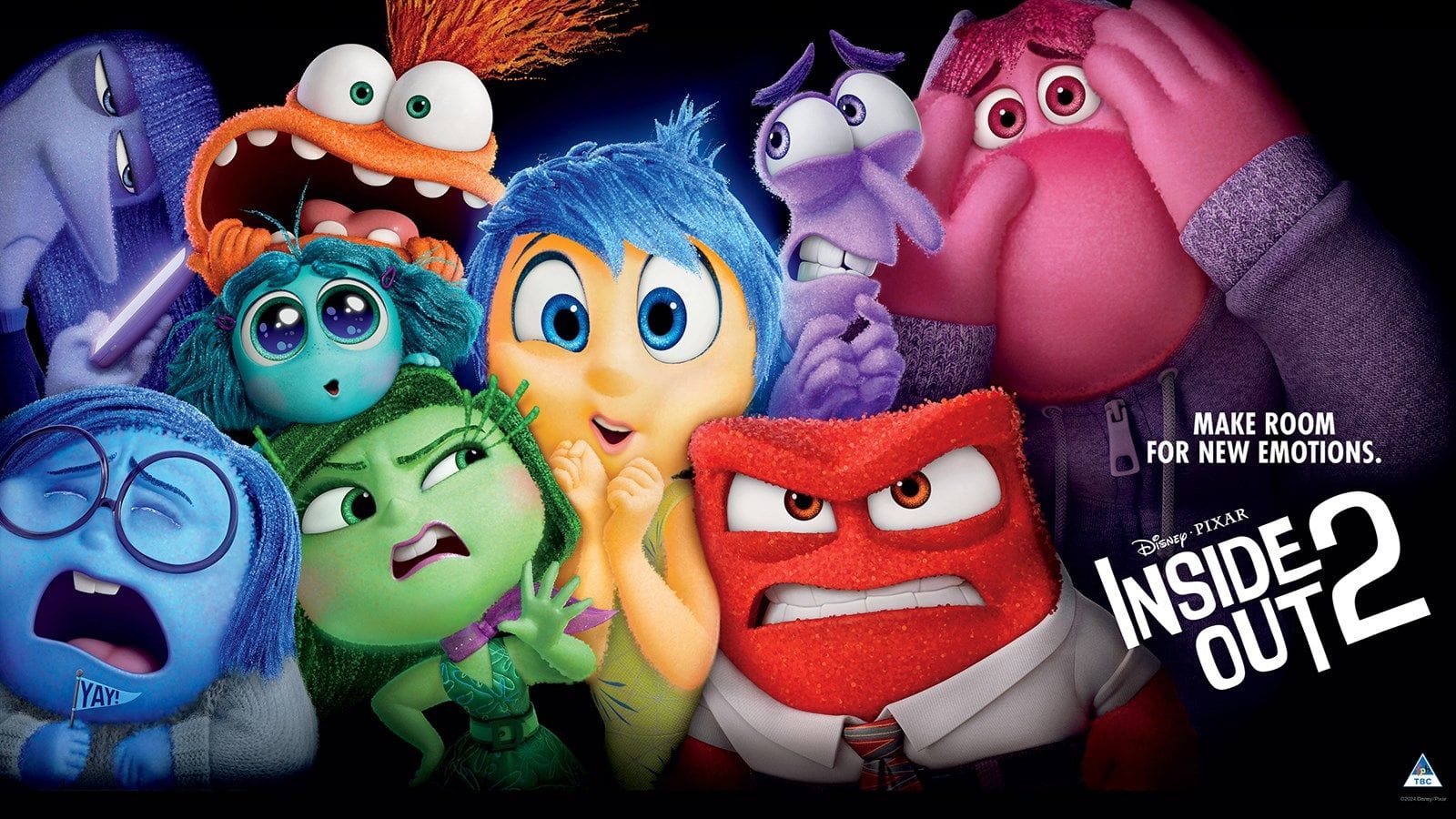
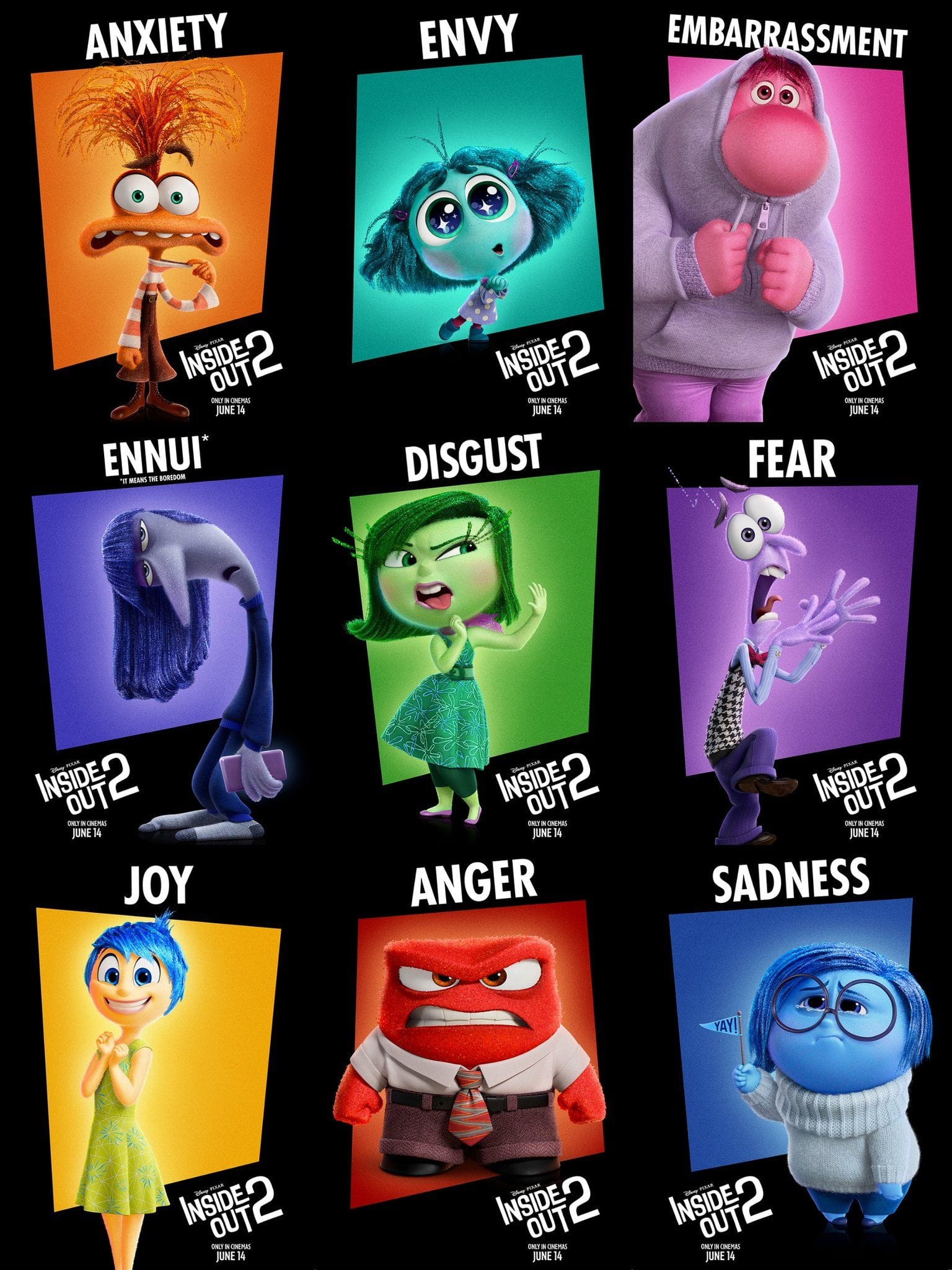
In Inside Out 2 (2024), Riley hits puberty, the stage when “Who am I?” becomes messier than ever. New emotions arrive: Anxiety, Envy, Embarrassment and Ennui, a sign of how complicated self-awareness has become.
- The pressure to be the “best version” of yourself
Anxiety takes over as a new “controller”, pushing Riley to succeed and fit in with a new group of friends. This mirrors how society shapes personal identity: many people want to be themselves and, at the same time, a “perfect” version of themselves by other people's standards. - The gap between the ideal image and the real self
Riley tries to change so she fits in with the new group, hiding the “imperfect” parts of herself. The harder she tries, the more out of place she feels. This is common in adolescence: we are torn between staying who we really are and adjusting ourselves to be accepted. - Accepting your own complexity is a big step in growing up
Riley gradually realizes that identity is a complex mix of experiences, values and emotions, rather than a set of separate traits. She doesn't need to be perfect or turn into someone else. The variety inside her is what makes her who she is.
- * *
3. Who am I? A question with no fixed answer
Across both Inside Out films, we see that getting to know ourselves has no finish line. It is a process that keeps going.
- As children, we think we are the things we love and the happy and sad memories we have lived through.
- As we grow up, we realize that identity comes from our emotions and also from our environment, society and the expectations around us.
- Eventually, we understand that “Who am I?” has no fixed answer. We keep changing and growing, and what matters most is accepting ourselves, whether we feel happy, sad or full of anxiety.
Who are you? The answer isn't a label or a single personality trait. You are the sum of everything you have been through, everything you are feeling now, and everything you are becoming.