
Who Am I? P2: Searching for the answer in stars, tests and life
At some point in life, everyone asks themselves: "Who am I?" and "What do I actually want?" Some look for answers through real-life experience, some turn to psychology, and others put their faith in mysticism or in looking inward (self-reflection).
There is no right or wrong way, only the way that fits you. Some turn to mysticism, such as astrology, numerology or BaZi (Chinese "eight characters" fortune-telling), to understand themselves through the lens of destiny. Others rely on scientific psychology, using personality tests like MBTI or the Big Five to get a clearer picture of their strengths and weaknesses. And some choose self-reflection: keeping a journal, meditating, or watching their own thoughts and feelings.
Whichever path you take, what matters most is actively getting to know yourself and living a life that is true to who you are.
- * *
1. Mysticism: reading yourself from your birth date and name
Many people turn to mysticism as a way to understand themselves. Practices such as numerology, astrology, tử vi, bát tự, tứ trụ… are said to reflect each person's character, destiny and path in life through their date of birth or their name. (Tử vi is Purple Star astrology, widely consulted in Vietnam; bát tự and tứ trụ, the "eight characters" and the "four pillars", are two names for the Chinese BaZi system.)
In the mystical view, life is not a chain of random events. Each person is born with their own "blueprint", including strengths, weaknesses and the challenges they will face. Some believe that the tử vi chart or numerology chart we receive is the result of what we did in a past life, and that the present is our chance to continue that journey. Think of it like a health check-up: if some readings are off, we can make adjustments to improve ourselves.
For example:
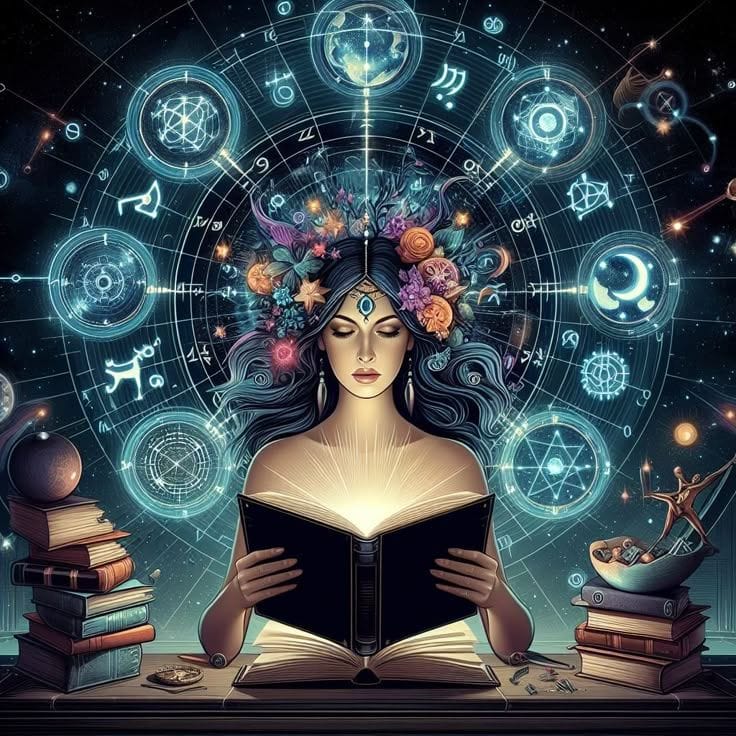
- Astrology holds that the positions of the planets at the moment you were born shape your personality and your life.
- Numerology uses the numbers in your birth date and name to analyze your strengths and weaknesses.
- Tử vi, bát tự and tứ trụ decode destiny based on yin and yang, the five elements and the cycles of time.
However, mysticism is not an absolute truth, nor is it precisely accurate. Its readings are probabilities and suggestions, and they cannot be applied to everyone. Most importantly, don't treat mysticism as a fixed destiny. Use it as a tool to learn more about yourself, so you can make wiser choices in life.
- * *
2. Personality psychology: the science of understanding people
Alongside mysticism, modern psychology offers a more scientific way to understand yourself. Personality tests help you see your strengths and weaknesses more clearly, and they can also guide your career, the way you communicate and your personal growth. Some common tools:
- MBTI (Myers-Briggs Type Indicator): Places you in one of 16 personality types, helping you understand how you work, communicate and make decisions.
- Big Five (the five-factor model of personality): Measures openness, conscientiousness, extraversion, agreeableness and neuroticism (emotional instability), helping you identify your strengths and weaknesses.
- DISC: Classifies how you respond to the environment around you, which helps with communication and work.
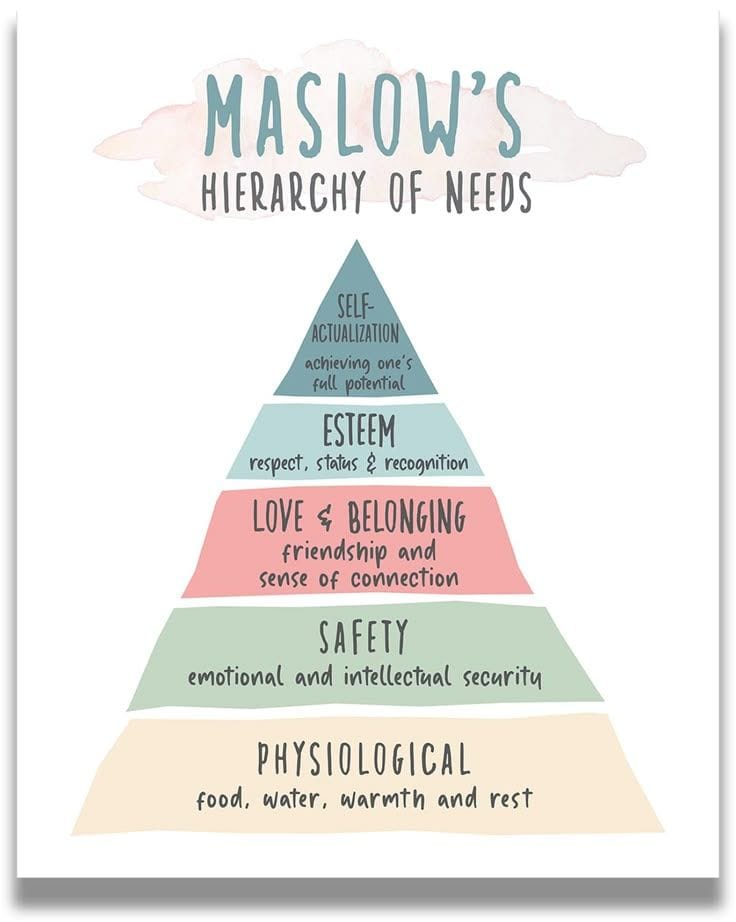
- Maslow Hierarchy (Maslow's hierarchy of needs): An important psychological model for understanding your own motivation and behavior. Maslow divides human needs into 5 levels, from the most basic to the highest.
One limitation of personality tests is that they rely mostly on self-assessment. Depending on when you take the test, where you live or how you feel at the time, the results can change. So these tools are not meant to label you. They help you look at yourself as you are right now, so you can make choices that suit your future better.
- * *
3. Experience and listening to yourself
Whether you believe in mysticism or psychology, the only way to truly understand yourself is through experience and self-observation. No test can define you more accurately than what you have lived through. Actively exploring, experimenting and listening to your feelings will gradually show you who you really are.
Try new things
When you put yourself in unfamiliar situations, you discover sides of yourself you had never noticed:
- Travel alone to see how you react to loneliness and uncertainty.
- Learn a new skill to find out about your persistence, creativity and passions.
- Connect with people who are different from you to broaden your worldview and see yourself from a new angle.
Observe your emotions
- When do you feel happy? At work, when you're alone, or when you're talking with someone?
- When do you feel down? What drains your motivation or wears you out?
- Notice how you react when you're triggered: Negative emotions can stem from past wounds. Understanding this helps you heal and grow.
Journaling: see your thoughts clearly
Sometimes thinking too much only makes everything more tangled. Writing things down helps you see more clearly:
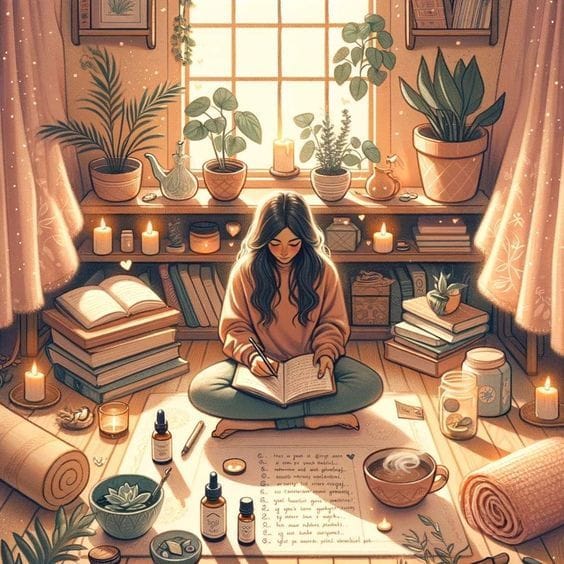
- Write down what you feel during the day, or whenever you catch yourself overthinking.
- Look back for thought patterns that keep repeating, so you understand yourself more deeply.
Make time for yourself and listen to your intuition
Some answers don't come from books or from other people's advice. They are already inside you. To hear them, you need to spend time with yourself:
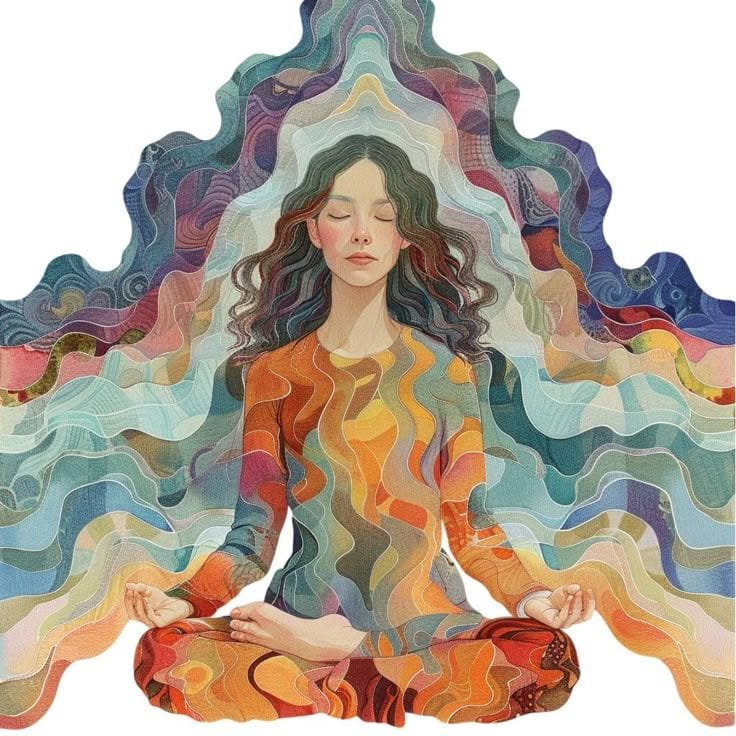
- Take a walk alone, without your phone.
- Sit quietly and do nothing.
- Let your mind wander freely, without being steered by what's around you.
- * *
No single formula, only your own path
There is no universal formula for answering the question "Who am I?". Everyone has their own path to understanding themselves: some turn to mysticism, some rely on science, and some simply live, experience and learn from life.
Whichever way you choose, what matters most is to be true to yourself. Stop comparing yourself to others. Choose the life you genuinely want, instead of chasing society's expectations.
Because only when you live in line with who you truly are will you find meaning and happiness in this life.